
WhatsApp +92 370 7607107Call
Mujahid Hospital, Madina Town, Susan Road, Faisalabad: 4:00 PM to 7:00 PM
IDC, 563-B, Satiana Road, Faisalabad: 8:00 PM to 9:00 PM
Hydrocephalus is a buildup of fluid inside the brain that raises pressure. A shunt is a thin tube placed under the skin to drain that fluid into the abdomen, where the body absorbs it. It is done under general anaesthesia. Once the pressure is relieved, symptoms usually settle. Untreated raised pressure damages the brain, so delay is the bigger risk.
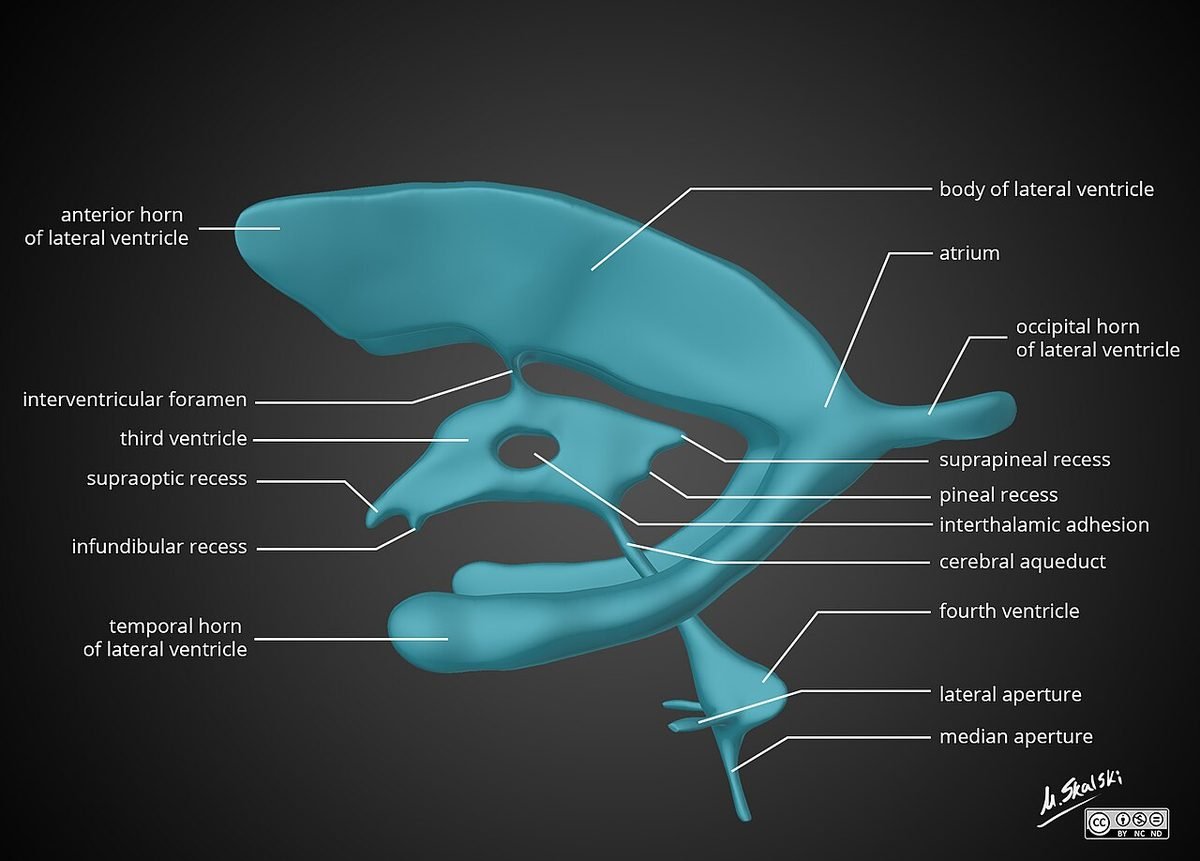
A procedure that involves implanting a shunt to drain excess cerebrospinal fluid from the brain's ventricles, relieving pressure caused by hydrocephalus (fluid buildup).
Comparing endoscopic and microdiscectomy, or comparing surgeons? Send your reports on WhatsApp and ask directly which approach fits your scan. A straight answer is faster than another week of searching.
Ask which fits my scanAny brain surgery is frightening, and the fear for your child is real. Shunt surgery is a routine, well established operation done under general anaesthesia through two small cuts. Risks exist, mainly infection and blockage, and your surgeon should explain them to the whole family. The larger danger is leaving high pressure untreated, because that damage can be permanent.
In a baby: a head growing too fast, a tense bulging soft spot, eyes that look downward, constant vomiting, poor feeding, or a baby who is unusually sleepy. In older children and adults: morning headache, vomiting, blurred vision, or a sudden drop in walking and memory. These need a same day CT or MRI, not wait and see.
Not always. Ventricles can look large on a scan without pressure being high, and some patients are watched with repeat scans instead. If pressure is confirmed, no medicine, dam, massage or hakeem treatment will drain it. In selected patients an endoscopic opening inside the brain, rather than a shunt, can restore the flow. That is decided from the scan.
There is no single figure. The total is quoted in PKR and depends on the valve used, length of stay and the patient's age and condition. Ask for a written quote before admission and ask exactly what it covers: shunt, anaesthesia, bed, scans and follow up visits. Families coming from Jhang, Sargodha or Toba Tek Singh should also budget a few days in Faisalabad.
In most people the shunt stays permanently. It can block or get infected, sometimes years later, and then it needs revision surgery. Learn the warning signs and act on them: returning headache, vomiting, drowsiness, fever, redness along the tube, or a child slipping back in school or in walking. Go to the hospital the same day, not next week.
Ask about your own scan. Send your MRI or X-ray on WhatsApp and get a straight answer on whether surgery is needed at all.
Dr. M. Abdur Rehman is a consultant neurosurgeon in Faisalabad. Send your scan on WhatsApp and ask what it actually shows.
Two clinics in Faisalabad, each with its own timing. Mujahid Hospital, Madina Town, Susan Road, Faisalabad: 4:00 PM to 7:00 PM. IDC, 563-B, Satiana Road, Faisalabad: 8:00 PM to 9:00 PM. Message before travelling to check availability on the day.